
Bristol’s flexible workspace sector highlighted as city cements innovation credentials
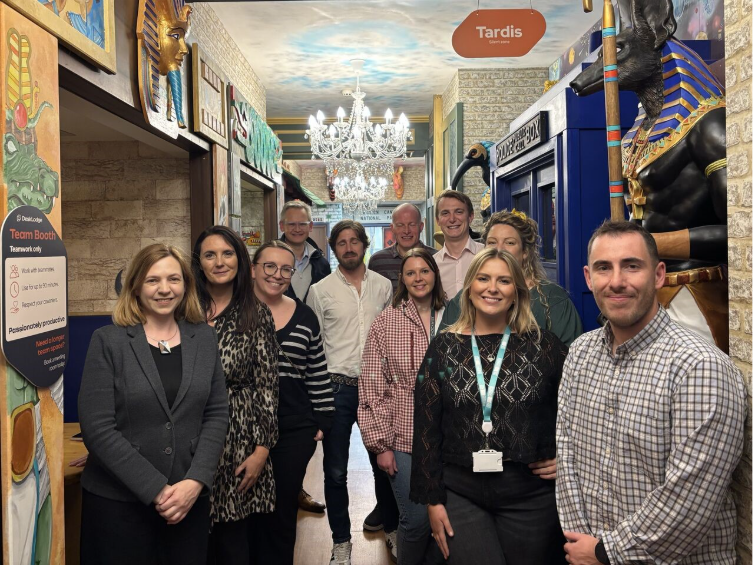
Bristol’s growing flexible workspace market has been put in the spotlight after the Flexible Space Association brought operators and industry professionals together in the city.
The Flexible Space Association, known as FlexSA, held a regional roundtable and workspace visit in Bristol on 20 May, bringing together people from across the flexible workspace sector to discuss the future of work, innovation and regional growth.
The event included visits to three city centre workspace operators — DeskLodge, Runway East and Clockwise — all located within a short walk of one another.
FlexSA said the visits demonstrated the breadth and diversity of Bristol’s flexible workspace offer, from coworking and serviced office space to more community-led and scaleup-focused environments.
The event comes as Bristol’s flexible workspace market continues to grow. Research from The Instant Group suggests the city’s flexible workspace market now comprises around 1.8 million sq ft, with interest in flexible workspace across Bristol having grown at a compound annual growth rate of 12% over the past three years.
The roundtable also took place as Bristol continues to undergo major regeneration and investment, particularly around Temple Quarter.
The University of Bristol’s £500m Temple Quarter Enterprise Campus, next to Bristol Temple Meads, is set to become a major centre for research, collaboration and innovation in areas including artificial intelligence, quantum technologies and digital engineering.
The wider Temple Quarter regeneration programme is also expected to deliver new jobs, homes, commercial space and public realm improvements, strengthening the area’s role as a key business and innovation district.
FlexSA said flexible workspace providers were well placed to support that growth by offering the adaptable space needed by start-ups, scale-ups and established businesses operating in fast-moving sectors.
Demand for flexible workspace in Bristol has remained resilient despite rising rents and constrained supply, reflecting wider national trends as more businesses look for adaptable alternatives to traditional office leases.
The roundtable explored how flexible workspace can support innovation-led growth by giving businesses the ability to collaborate, scale and respond quickly to changing working patterns.
Attendees also discussed the role of flexible workspace in supporting emerging innovation districts such as Temple Quarter, where new research, business and transport infrastructure is expected to create further demand for high-quality, flexible office space.
The Flexible Space Association said Bristol’s workspace market was playing an increasingly important role in shaping the future of work in the region.
The organisation represents operators of serviced and managed offices, coworking spaces, business centres, workshop units and virtual office providers, alongside companies supplying services to the flexible workspace industry.
It said the sector continues to play a vital role in the UK economy by helping businesses of different sizes grow at a pace that works for them, while encouraging entrepreneurship, innovation and collaboration.